Apple’s next wave of innovation isn’t just speculative—it’s confirmed. While the company rarely spells out multi-year plans, a clear ultra roadmap has emerged through official announcements, developer insights, and supply chain validations. From a reimagined iPhone lineup to MacBook models running on next-gen Apple Silicon, Apple is aligning its entire ecosystem for a seamless, powerful, and AI-driven future. This isn’t just about new gadgets; it’s about how Apple intends to dominate the next decade of personal computing.
The confirmation isn’t boxed in a single press release. Instead, it’s stitched together through Apple’s developer conferences, patent filings, executive interviews, and strategic hires. The ultra roadmap reflects Apple’s long-term vision: tighter integration, longer device lifecycles, and deeply embedded intelligence. For consumers and professionals alike, what’s coming could redefine how they interact with their devices.
Let’s break down the confirmed pieces of Apple’s ultra roadmap—what’s incoming, what’s changing, and how it will shape the user experience.
iPhone Evolution: More Than Just a New Model
Every year, the iPhone gets thinner, faster, and smarter. But Apple’s ultra roadmap suggests a shift beyond incremental upgrades. The next generation of iPhones will feature structural battery designs, periscope zoom lenses across more models, and advanced on-device AI processing powered by next-gen Neural Engines.
One confirmed change: Apple has secured exclusive supply agreements with TSMC for the A18 and A19 chips, both built on 2nm process technology. These chips will deliver significant efficiency gains—translating into longer battery life and sustained performance during intensive tasks like AR gaming or 4K video editing.
Additionally, Apple is expanding its satellite connectivity beyond emergency SOS. The roadmap includes global messaging and low-bandwidth data access in remote areas, a feature expected to launch with the next iPhone Pro models.
Real-world impact: For travelers, outdoor professionals, and emergency responders, this means iPhone connectivity won’t rely solely on cellular towers. However, users should expect carrier restrictions and regional limitations—Apple’s rollout will be gradual, not universal.
A common mistake is assuming every new iPhone gets every new feature. In reality, Apple’s tiered strategy means only Pro models will access advanced capabilities like 5x optical zoom or AI-powered camera modes. Users prioritizing camera quality should wait for Pro variants, while mainstream buyers will see modest but meaningful improvements in battery and software intelligence.
MacBook Lineup: The Full Transition to Apple Silicon
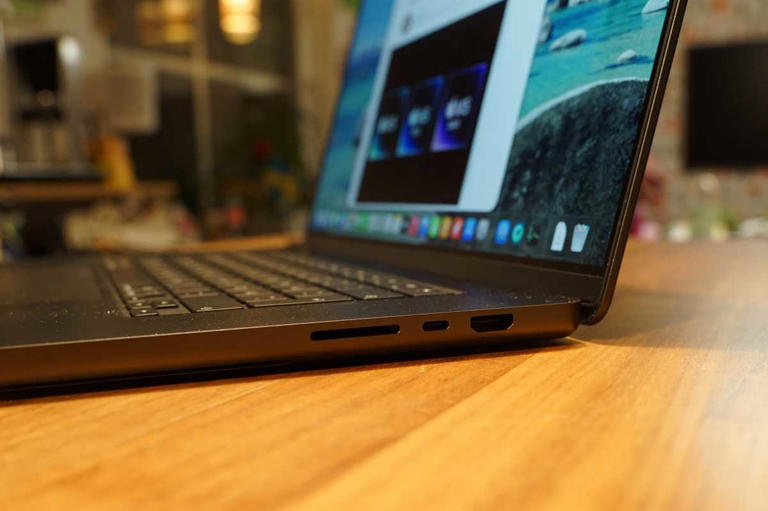
The MacBook shift from Intel to Apple Silicon wasn’t just a stopgap—it was phase one of a much larger plan. Apple’s ultra roadmap confirms that every MacBook will not only run on custom M-series chips but will also diverge into specialized variants based on use case.
The M5 chip, expected in 2024, will debut across the MacBook Air and Pro lines. Built on 2nm architecture, it will introduce dedicated AI accelerators—enabling features like real-time language translation, on-device generative AI, and enhanced voice input without cloud dependency.
But hardware is only part of the story. Apple is overhauling macOS to leverage unified memory across devices. This means users will be able to offload compute-intensive tasks to nearby Macs or iPads via peer-to-peer handoff. For example, rendering a 4K video on an iPad Pro could trigger automatic delegation to a nearby M5-powered MacBook Pro, all in the background.
Use case: A video editor working remotely could start a project on an iPad, then seamlessly continue on a MacBook with heavier processing—without waiting for file transfers or cloud sync.
Limitations remain. While Apple Silicon excels in efficiency, some professional users still face compatibility issues with legacy x86-only software. Rosetta 2 helps, but performance dips occur with heavily optimized applications like certain audio plugins or CAD tools. Apple is working with developers to accelerate native ports, but full parity may take years.
The Rise of On-Device Intelligence
Apple’s ultra roadmap places AI not in the cloud, but on the device. This is a strategic differentiator from competitors relying on server-side models. Apple’s approach prioritizes privacy while reducing latency—critical for real-time applications.
Confirmed: iOS 18 and macOS 15 will introduce system-wide AI features powered by next-gen Neural Engines. These include:
- Smart text prediction that learns writing style across apps
- Photo curation that auto-tags and groups images based on people, events, and locations—without uploading data
- Voice isolation in FaceTime that removes background noise using on-device processing
Unlike cloud-based AI, Apple’s model ensures sensitive data never leaves the device. For enterprise users and privacy-conscious consumers, this is a major win.
Workflow tip: Developers can now access Apple’s new MLX framework to build apps that run AI models directly on-device. Early adopters are already testing real-time sign language translation and offline medical diagnostics apps.
But there’s a trade-off. On-device AI requires powerful hardware. Users with iPhones older than the iPhone 14 or MacBooks with M1 chips may not support the full suite of upcoming features. Apple’s roadmap implies a soft cutoff: to access next-gen intelligence, users will need to upgrade within the next two years.
iPad’s Role in the Ecosystem: Beyond a Tablet
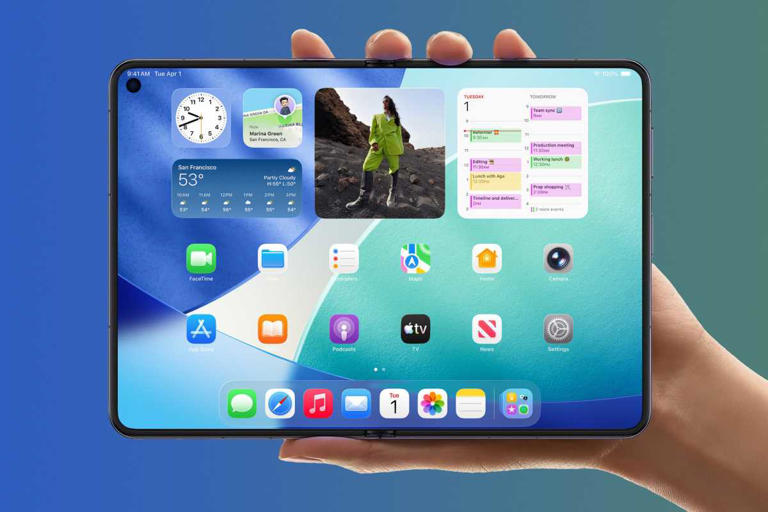
The iPad is no longer just a media device. Apple’s roadmap confirms its transformation into a full productivity platform, with the iPad Pro positioned as a MacBook alternative for specific workflows.
New features in iPadOS 18 include:
- Desktop-class multitasking with resizable, overlapping windows
- File system enhancements that mirror macOS, including symbolic links and direct APFS access
- Native coding support for Swift Playgrounds with full Xcode integration
Use case: A freelance designer could use an iPad Pro with the Magic Keyboard and Apple Pencil to manage client projects, edit vectors, and code simple web interfaces—all without touching a MacBook.
Still, the iPad’s limitations persist. No matter how advanced iPadOS becomes, it lacks full external display support, USB-C peripheral compatibility, and professional-grade audio routing. Users in video production or software development will still need a Mac for heavy lifting.
Apple’s strategy is clear: the iPad captures the mid-tier productivity market, while Macs remain the flagship for pro users. The roadmap shows intentional segmentation—not convergence.
Apple Watch: Smarter, Health-Focused, Always On
The Apple Watch is evolving into a true health monitoring platform. The ultra roadmap includes FDA-cleared non-invasive glucose monitoring, advanced sleep apnea detection, and continuous blood pressure tracking—all without additional hardware patches.
These features rely on next-gen sensors and AI algorithms trained on anonymized health data. Apple has partnered with major research hospitals to validate these systems, ensuring clinical accuracy.
For users with chronic conditions, this means proactive alerts and trend analysis could reduce hospital visits. A diabetic user, for example, might receive low glucose warnings before symptoms appear—enabling faster intervention.
However, regulatory approval timelines vary by country. While U.S. users may see glucose monitoring in 2025, European and Asian markets could face delays due to stricter medical device regulations.
Battery life remains a challenge. These always-on sensors increase power draw, and Apple is reportedly exploring dual-battery designs and low-power co-processors to maintain 18-hour usage.
AirPods and Audio Intelligence
AirPods are no longer just earbuds—they’re AI-powered audio interfaces. The roadmap includes:
- Real-time language translation during conversations
- Custom noise cancellation profiles that adapt to environment and user hearing
- Biometric authentication via ear canal recognition
Use case: A business traveler could wear AirPods Pro during a meeting in Tokyo, hearing a live English translation in one ear while the other plays original audio—ideal for cross-cultural negotiations.
Limitation: These features require A18-class processing. Older AirPods models won’t support them, pushing users toward upgrades.
Apple is also expanding audio sharing across devices. Future AirPods will let users beam spatial audio sessions to nearby Apple Watches or CarPlay systems, creating shared listening experiences without Bluetooth pairing.
Seamless Ecosystem Integration
The core of Apple’s ultra roadmap is ecosystem cohesion. Devices no longer work in isolation—they anticipate needs, share context, and act as a unified platform.
Confirmed features include:
- Universal Control++: Expanded to include iPhone and Apple Watch, allowing drag-and-drop between all devices
- Continuity Camera Pro: Turn your iPhone into a studio-quality webcam with centering, lighting adjustment, and spatial audio for Mac video calls
- Shared Intelligence Profiles: Sync personalized AI models (like typing behavior or app usage) across devices via end-to-end encrypted iCloud
For families and teams, this enables smoother collaboration. A parent could start a grocery list on their Apple Watch, edit it on their iPad, and have it auto-sorted by aisle when viewed on a HomePod display.
But integration requires commitment to the ecosystem. Switching to Android or Windows breaks continuity, making Apple’s roadmap a retention strategy as much as an innovation plan.
What This Means for Users
Apple’s ultra roadmap isn’t about surprise launches—it’s about predictable, high-value evolution. Users can expect:
- Annual hardware refinements with major leaps every two years
- Longer software support (up to 7 years for iOS, 8 for macOS)
- Tiered feature access—premium capabilities reserved for Pro models
Upgrade strategy: If you own an iPhone 14 or earlier, the next two cycles will bring significant AI and camera upgrades. For MacBook users on Intel or M1, the M5 transition will be worth the investment, especially for creative professionals.
Avoid the trap of upgrading every year. Apple’s roadmap shows that core innovations are spaced out. Waiting 12–18 months often delivers better value.
The Future Is Confirmed—Now Plan Accordingly
Apple’s ultra roadmap is clear: tighter integration, on-device intelligence, and hardware-software synergy. The next wave of iPhone, MacBook, iPad, and wearables won’t just be new devices—they’ll be smarter, more connected, and more essential.
For users, the message is simple: align your upgrade cycle with Apple’s trajectory. Focus on ecosystem benefits, not standalone specs. And prioritize devices that enhance your daily workflow—because Apple isn’t just selling gadgets. It’s building a seamless digital life.
Will the iPhone 16 have satellite messaging? Yes, Apple has confirmed global satellite messaging beyond SOS, expected with iPhone 16 Pro models.
When will the M5 MacBook be released? Likely in late 2024 or early 2025, starting with the MacBook Air and 14-inch MacBook Pro.
Can older iPads run iPadOS 18’s new features? No—desktop-class multitasking and file system upgrades require M2 or later chips.
Will AirPods get real-time translation? Yes, but only on future AirPods models with A18-class processing power.
Is glucose monitoring safe and accurate? Apple is using clinical-grade algorithms, but it’s intended as a supplement—not replacement—for medical devices.
Do I need to upgrade all my Apple devices? Not immediately, but full ecosystem benefits require Pro-tier devices from 2024 onward.
Will Apple release a foldable iPhone? No confirmed plans—Apple’s roadmap focuses on incremental design evolution, not radical form changes.
FAQ
What should you look for in Apple’s Ultra Roadmap Confirmed: iPhone, MacBook and More? Focus on relevance, practical value, and how well the solution matches real user intent.
Is Apple’s Ultra Roadmap Confirmed: iPhone, MacBook and More suitable for beginners? That depends on the workflow, but a clear step-by-step approach usually makes it easier to start.
How do you compare options around Apple’s Ultra Roadmap Confirmed: iPhone, MacBook and More? Compare features, trust signals, limitations, pricing, and ease of implementation.
What mistakes should you avoid? Avoid generic choices, weak validation, and decisions based only on marketing claims.
What is the next best step? Shortlist the most relevant options, validate them quickly, and refine from real-world results.