
Growing up in a crowded household isn’t just about sharing a bathroom or fighting over the last piece of pie. For Bob Hope, it was a masterclass in timing, survival, and wit. His now-iconic line—“I grew up with six brothers—that’s how I learned to dance”—is more than a punchline. It’s a window into how environment, competition, and love shape character, especially when filtered through the lens of humor.
This single observation, often shared as a “quote of the day,” carries layers: on family, resilience, interpersonal dynamics, and the quiet art of navigating life's chaos. Behind the joke lies a blueprint for handling relationships, aging with grace, and understanding politics—both in the home and the world.
Let’s unpack what this quote reveals—not just about Bob Hope, but about all of us.
The Real Meaning Behind “I Learned to Dance Waiting”
On the surface, Bob Hope’s quip is classic comedic misdirection. You expect a story about dance lessons or rhythm—he gives you six brothers and cramped hallways. But the truth buried in the humor is universal: we learn life’s most important skills in the most ordinary moments.
Growing up with six brothers meant limited space, constant negotiation, and the need to anticipate others’ moves. To “dance” wasn’t literal—it meant learning to move without stepping on toes, to time your entrance, to read the room. In a house full of boys, survival depended on social intuition.
This is where emotional intelligence begins: not in seminars, but in shared bedrooms and dinner-table debates.
Consider this: - You learn conflict resolution when you fight over the radio. - You develop timing when you wait for the right moment to speak. - You master patience when you’re always last in line.
Hope’s “dance” was really about rhythm in relationships—knowing when to lead, when to follow, and when to get out of the way.
Family as a Training Ground for Life
Sibling-heavy households are micro-societies. They have hierarchies, alliances, betrayals, and unspoken rules. Bob Hope didn’t just grow up with brothers—he grew up in a world where every interaction had stakes.
And that environment forged his comedic style: quick, adaptive, observational. He didn’t just tell jokes—he reacted, much like surviving dinner with six siblings required.
In larger families, children often: - Develop sharper social radar - Learn to negotiate early - Become adept at reading emotional cues - Adopt roles (the peacemaker, the joker, the rebel)
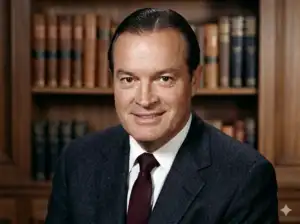
Hope, clearly, took on the role of the observer—the one who sees the absurdity and channels it into humor. That skill didn’t just serve him at home. It powered a 70-year career in entertainment, where timing and audience awareness were everything.
Real-world parallel: A study from the University of Illinois found that individuals from larger families often score higher in empathy and cooperation. They’re used to compromise. They’ve practiced it since childhood.
Hope’s quote, then, isn’t just nostalgic. It’s behavioral insight disguised as comedy.
Humor as a Survival Tool in Relationships
Hope’s life wasn’t just shaped by brothers—it was shaped by the need to stand out, to be heard, and to diffuse tension.
In relationships—romantic, professional, familial—humor is often the unseen lubricant. It disarms, connects, and deflects. Hope knew this instinctively.
Take a common scenario: two people arguing over chores. One responds with sarcasm, the other with resentment. The conflict escalates.
Now, imagine one says: “I guess I’ll do the dishes—after all, I learned to wait my turn growing up with six brothers.” Suddenly, the mood shifts. The jab becomes a shared laugh. The point is made without blame.
That’s the power of Hope’s approach: - Use humor to highlight truth - Soften criticism with self-deprecation - Turn frustration into connection
Many couples and teams fail not from lack of love or skill, but from lack of emotional agility. Hope’s “dance” was really about rhythm in conflict—knowing when to press, when to yield, when to step aside with a smile.
Aging with Grace—Lessons from a 100-Year Life
Bob Hope lived to be 100. His longevity wasn’t just physical—it was emotional, professional, cultural.
And his humor evolved with age. In his later years, he joked about memory loss, doctors, and outliving friends. But the tone remained light, never bitter.
His quote about the six brothers wasn’t just a throwaway line—it reflected a lifelong philosophy: adapt or get stepped on.
As we age, the “dance” changes: - The music slows - The steps get harder - The partners change
But the core skill remains: awareness. Hope stayed relevant because he kept reading the room, even as the audience aged.
Modern implication: Many people struggle with aging because they resist change. They cling to old roles, resent new technology, or withdraw from social life.
Hope’s model suggests otherwise: keep moving, keep observing, keep joking. Humor doesn’t age—you just have more material.
Example: A retiree who jokes about “downsizing my ego along with my house” disarms the sadness of transition. Like Hope, they’re dancing—just a slower dance.
Politics, Satire, and the Art of the Well-Timed Joke
Bob Hope didn’t just entertain families—he entertained presidents. His USO tours and political roasts made him a fixture in American political culture.
And again, his upbringing informed his work. In a house with six brothers, you learned quickly: one wrong word, one mistimed jab, and you’re in a fight. The same applied to mocking a sitting president.
Hope mastered political humor by: - Punching up, not down - Using absurdity to soften critique - Staying likable, even when biting
His famous line about Congress—“I’ve seen the audience at a congressional hearing. Talk about an empty room”—is sharp, but not cruel. It’s the humor of the observant sibling, not the angry outsider.
In today’s polarized climate, where political jokes often deepen divides, Hope’s approach feels refreshing. His comedy didn’t isolate—it included. He assumed shared frustration, not tribal hatred.
That’s a lesson for modern communicators: humor works best when it unites, not divides. It’s not about winning—it’s about surviving the dinner table together.
The “Dance” in Modern Life—Work, Love, and Digital Noise
We no longer grow up with six brothers—but we live in a world just as crowded.
Inboxes overflow. Meetings collide. Social media demands constant performance. The modern “dance” is more complex than ever.
But Hope’s lesson still applies: awareness is everything.
In the workplace: - The person who waits for the right moment to speak gets heard. - The one who reads the room avoids landmines. - The one who uses light humor disarms tension.
In relationships: - The partner who says, “I guess I’ll take out the trash—after all, I was last in line for breakfast growing up,” reframes resentment as connection.
Online: - The post that lands isn’t the loudest—it’s the one with timing, insight, and a little self-awareness.
We’re all waiting our turn now—not in a hallway, but in Slack queues, Zoom galleries, comment sections. The dance continues.
Why This Quote Still Resonates
Bob Hope’s brother joke isn’t viral because it’s clever. It’s viral because it’s true.
It taps into something real: that our early environments shape our emotional tools. That humor isn’t escape—it’s strategy. That life isn’t about dominating the floor—it’s about moving with others.
In an age of isolation and digital performance, Hope reminds us of analog wisdom: - Pay attention. - Be patient. - Laugh when you can.
And when things get crowded—just dance.
Final Thought: Don’t wait for a crisis to develop emotional agility. Practice the dance now—by listening more, reacting less, and finding the humor in the wait. That’s how you survive brothers, bosses, and life itself.
Frequently Asked Questions
What did Bob Hope mean by “I learned to dance waiting”? He used humor to describe growing up in a crowded household, where timing, patience, and awareness were essential for getting along—skills that mirrored the rhythm of dance.
How many brothers did Bob Hope have? Bob Hope had five brothers, though he often said “six” in jokes for comedic rhythm. He was one of seven boys in total.
Did Bob Hope have a close relationship with his siblings? Public records suggest the Hope brothers remained relatively close, though not highly public. His humor about them implies affection, not resentment.
How did family life influence Bob Hope’s comedy? His upbringing taught him timing, observation, and resilience—key elements of his quick-witted, situational humor.
What can we learn from Bob Hope’s approach to aging? He aged with humor and humility, using self-deprecating jokes to remain relatable and resilient, even as the world changed.
Was Bob Hope political? He was socially conservative and close to several Republican presidents, but his comedy targeted policies and absurdities—not individuals with cruelty.
Why are Bob Hope’s quotes still popular today? Because they blend wit with wisdom, using humor to reveal universal truths about family, work, and human behavior.
FAQ
What should you look for in Bob Hope's Life Lesson on Growth, Humor, and Family? Focus on relevance, practical value, and how well the solution matches real user intent.
Is Bob Hope's Life Lesson on Growth, Humor, and Family suitable for beginners? That depends on the workflow, but a clear step-by-step approach usually makes it easier to start.
How do you compare options around Bob Hope's Life Lesson on Growth, Humor, and Family? Compare features, trust signals, limitations, pricing, and ease of implementation.
What mistakes should you avoid? Avoid generic choices, weak validation, and decisions based only on marketing claims.
What is the next best step? Shortlist the most relevant options, validate them quickly, and refine from real-world results.