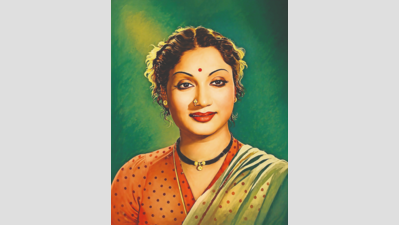
She didn’t play by the rules. She didn’t soften her voice for the camera or her posture for patriarchal comfort. G Varalakshmi stormed through the golden era of South Indian cinema like a tempest in silk—unapologetically bold, fiercely independent, and utterly unforgettable. Long before "feminist icon" became a trending label, she lived it—not as a statement, but as a survival tactic. Her performances weren’t just acts; they were rebellions. And in a film industry built on conformity, that made her dangerous. That made her essential.
The Unlikely Rise of a Defiant Star
G Varalakshmi wasn’t cast from the usual mold of 1940s and 50s Indian cinema heroines. While others embodied demure grace, she exuded raw nerve. Born into modest circumstances, her entry into films wasn’t through elite connections or classical training. It was sheer force of will—and a voice that could command a room from the first syllable.
Her debut in Vara Vikrayam (1939), based on a story critiquing the dowry system, set the tone. She didn’t just perform; she confronted. Playing a woman resisting societal pressure, Varalakshmi brought a sharpness to the role—part anger, part dignity—that audiences hadn’t seen in female leads before. Critics called her "too strong," "too aggressive." But audiences—especially women—leaned in. She wasn’t an escape from reality; she was a mirror.
“She didn’t smile when she was supposed to. She glared when she was expected to weep. That’s why people remembered her.”
The Rowdy Persona: Performance or Protest?
Calling her “rowdy” wasn't just about attitude—it was a cultural reckoning. In Telugu and Tamil cinema of the mid-20th century, female characters were rarely allowed complexity. They were mothers, martyrs, or muses. G Varalakshmi refused the archetype. Her characters often challenged male authority, questioned social hypocrisy, and stood firm in their decisions—even when those decisions led to scorn or isolation.
In Kanyasulkam (1955), her portrayal of a sharp-tongued, socially aware widow wasn’t comic relief—it was social commentary with teeth. She didn’t beg for sympathy; she demanded respect. Her delivery—crisp, deliberate, laced with sarcasm—caught filmmakers off guard. Directors who expected compliance found resistance. Producers who wanted passivity got provocation. Yet, her films worked. They resonated. Because she spoke a truth too long muffled on screen.
Defying Convention in Front of and Behind the Camera
G Varalakshmi didn’t stop at acting. She wrote. She directed. She produced. In an era when women were rarely trusted with creative control, she funded her own projects. Mangalya Balam (1959), which she produced, tackled inter-caste marriage—a taboo subject that still sparks debate today. She didn’t wait for permission. She didn’t dilute the message. She put it on screen, unflinching.
This was not typical career strategy. It was activism disguised as entertainment.
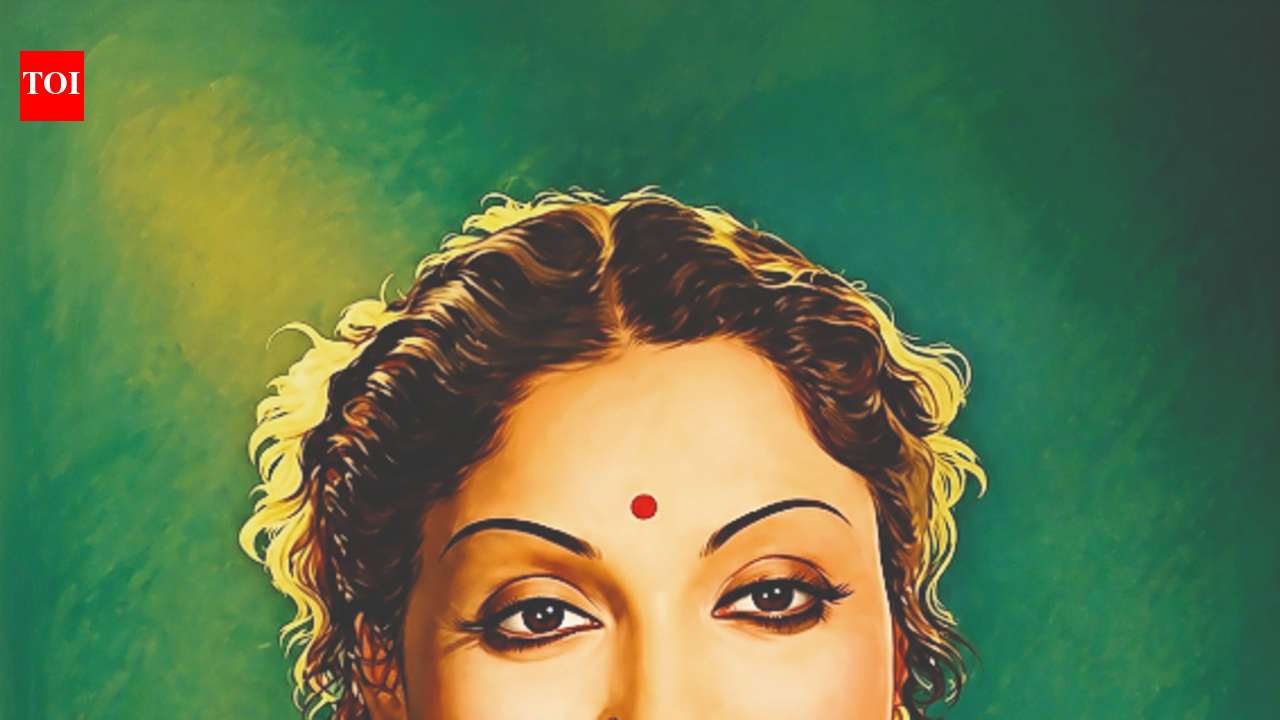
Her autonomy came at a price. Studios blackballed her. Male co-stars refused pairing. Censors clipped her scenes. But she adapted. She worked in regional theaters. She took supporting roles when leads dried up. And in those smaller parts, she still stole scenes—not with volume, but with presence. A raised eyebrow, a sarcastic pause, a line delivered like a slap. Other actresses played emotions. She played power.
The Cost of Being First
Being a pioneer means paving roads that others later walk comfortably. G Varalakshmi did the hard labor. She faced isolation not just from the industry, but sometimes from audiences who weren’t ready for her intensity.
Consider this: while contemporaries like Savitri or P. Bhanumathi were celebrated for emotional depth, Varalakshmi was often labeled “difficult.” Her refusal to conform—to wear the expected sari drape, to modulate her voice, to accept secondary status—was seen as defiance rather than professionalism.
Yet, today’s actresses who play strong-willed lawyers, rebellious daughters, or independent entrepreneurs walk paths she first carved. They benefit from the cracks she made in the ceiling—even if they don’t know her name.
Stealing the Show: Signature Roles That Redefined Presence
A great actress delivers lines. A legendary one owns the frame. G Varalakshmi didn’t just appear in scenes—she recalibrated their energy. Here are three roles that cemented her reputation as the ultimate scene-stealer:
1. Cherapakura Chedevu (1955) – The Widow Who Wouldn’t Mourn Quietly
Playing a woman accused of impropriety after her husband’s death, Varalakshmi turned victimhood into defiance. Instead of weeping, she questioned. Instead of hiding, she confronted. Her courtroom monologue—delivered without melodrama, yet searing in honesty—became a cultural reference point. Women quoted it in real-life disputes. It wasn’t just dialogue; it was ammunition.
2. Bhale Ramudu (1956) – The Mother Who Chose Justice Over Tradition
In a film centered on a righteous son, it was her performance as the mother that lingered. When she disowned her son not out of cruelty, but principle—because he broke a vow—Varalakshmi made moral strength feel terrifyingly real. No background music swelled. No tears fell. Just silence, and a woman standing by her word.
3. Sati Savitri (1957) – Subverting the Saint
Even in mythological roles, she resisted typecasting. As Savitri, she didn’t play passive devotion. Her love was active, tactical, intelligent. When she argued with Yama, the god of death, Varalakshmi didn’t plead—she debated. Her Savitri wasn’t saved by fate; she earned her victory.
These weren’t just roles. They were blueprints for a new kind of female character—one who thought, acted, and led.
Legacy: Why G Varalakshmi Still Matters
You won’t find her on trending reels. Her films aren’t remastered for streaming giants. But her influence pulses beneath the surface of modern Indian cinema.
Look at actresses like Keerthy Suresh in Mahanati, owning the screen with quiet command. Or Sai Pallavi in Gargi, fighting a broken system with unbroken resolve. These performances carry Varalakshmi’s DNA: the refusal to be small, the courage to be loud, the belief that a woman’s truth is cinematic enough on its own.

Her legacy isn’t in awards or statues. It’s in the freedom today’s actresses feel to say “no”—to bad scripts, to exploitative roles, to being reduced to eye candy. She proved that a woman could be both artist and activist, performer and producer, emotional and intellectual.
The Unfinished Revolution
Still, the fight continues. Even now, bold female leads are often labeled “not commercial.” Scripts that challenge caste, gender, or class norms struggle for funding. The industry still leans toward safe, marketable archetypes.
G Varalakshmi’s life reminds us that change doesn’t come from compliance. It comes from collision. From someone willing to be called “rowdy” so others can be called “strong.”
A Blueprint for Authentic Storytelling
What can modern creators learn from G Varalakshmi?
- Authenticity over approval: She never tailored her performance to win popularity. She aimed for truth.
- Own your narrative: By producing her own work, she controlled the message. Today, that’s what streaming platforms and indie films offer—but she did it without the tech, without the network.
- Use the medium as a megaphone: She picked scripts that challenged social ills—dowry, caste, gender roles—not to preach, but to provoke thought.
- Strength doesn’t need volume: Her power wasn’t in shouting. It was in stillness, in silence, in the pause before a response.
Too many performances today rely on dialogue written by men, directed by men, edited for male comfort. G Varalakshmi reminds us that cinema can be a tool for liberation—if someone dares to wield it.
Final Frame: Carry the Fire
G Varalakshmi didn’t just act. She resisted. She created. She endured. And in doing so, she redefined what it meant to be a woman in Indian cinema—not as a symbol, but as a force.
Her story isn’t just history. It’s a challenge.
To filmmakers: cast women who don’t smile on cue. To writers: pen roles with spine, not just sentiment. To audiences: demand more than glamour—demand grit.
The rowdy actress who defied convention didn’t just steal the show. She handed us the keys to a bolder, truer kind of storytelling. Now it’s our turn to use them.
What made G Varalakshmi different from other actresses of her time? She rejected passive, decorative roles and instead portrayed women with agency, intelligence, and moral strength—often challenging social norms like dowry and caste.
Did G Varalakshmi face backlash for her bold roles? Yes. Studios hesitated to cast her, censors cut her scenes, and critics labeled her “too aggressive.” Her defiance came at professional cost.
Was G Varalakshmi involved in filmmaking beyond acting? Absolutely. She was a producer, writer, and occasional director—rare for women in mid-20th century Indian cinema.
Which of her films are considered groundbreaking? Vara Vikrayam, Kanyasulkam, and Mangalya Balam are notable for tackling dowry, widowhood, and inter-caste marriage with critical honesty.
Why isn’t G Varalakshmi more widely remembered today? Her confrontational style and lack of industry alliances limited mainstream recognition, and many of her films aren’t digitally preserved.
Did she influence later generations of actresses? Indirectly, yes. Her fearless persona paved the way for strong, complex female leads in South Indian cinema.
Where can I watch G Varalakshmi’s performances today? Some of her films are available through the National Film Archive of India and regional film societies, though access remains limited.
FAQ
What should you look for in G Varalakshmi: The Rowdy Actress Who Defied Convention? Focus on relevance, practical value, and how well the solution matches real user intent.
Is G Varalakshmi: The Rowdy Actress Who Defied Convention suitable for beginners? That depends on the workflow, but a clear step-by-step approach usually makes it easier to start.
How do you compare options around G Varalakshmi: The Rowdy Actress Who Defied Convention? Compare features, trust signals, limitations, pricing, and ease of implementation.
What mistakes should you avoid? Avoid generic choices, weak validation, and decisions based only on marketing claims.
What is the next best step? Shortlist the most relevant options, validate them quickly, and refine from real-world results.