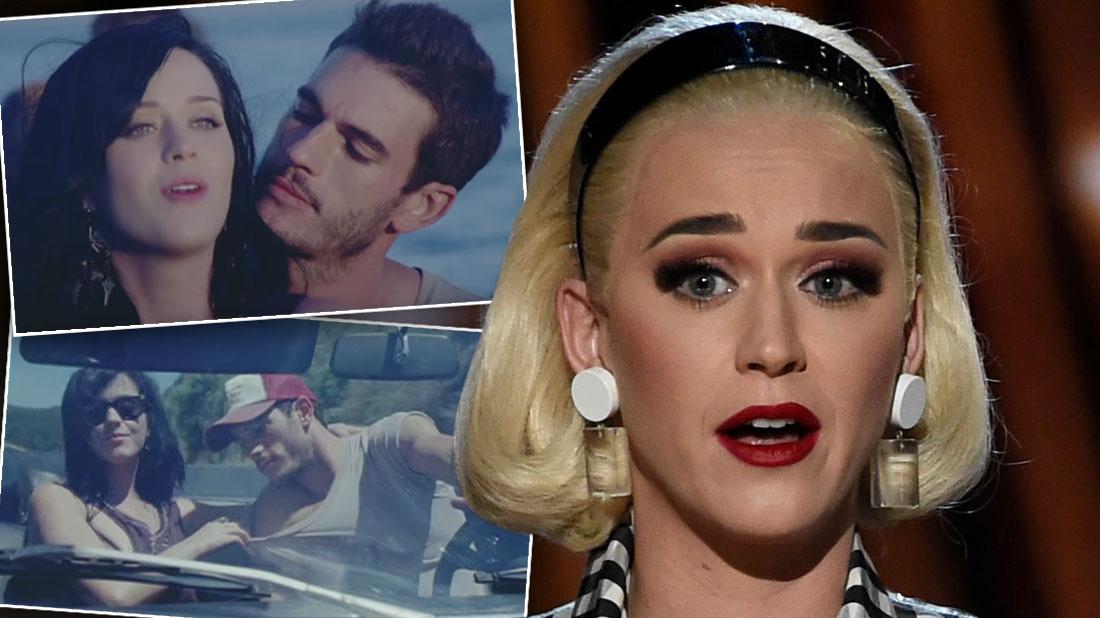
Fame doesn’t immunize anyone from cruelty. For A-list celebrities, relentless online trolling over their appearance has become a disturbingly normal part of life. Behind red carpets and billion-dollar franchises, stars from Scarlett Johansson to Chris Hemsworth have opened up about being ruthlessly mocked, body-shamed, and dehumanized—sometimes for years—by anonymous voices hiding behind keyboards. This isn’t just gossip. It’s a mental health epidemic masked by glamour.
The illusion of perfection expected in Hollywood amplifies the damage. When millions follow a celebrity, a single cruel comment can spiral into a viral hate campaign. And unlike the public, stars can’t log off. Their image is their livelihood. Yet what’s become clear is that the abuse isn’t random—it follows patterns, targets certain traits, and often stems from the same toxic corners of the internet.
The Anatomy of Celebrity Appearance Trolling
Online bullying of A-listers isn’t random vitriol. It’s often hyper-focused, repetitive, and centered on physical features deemed “flawed” by internet mobs. Trolling patterns include:
- Facial feature targeting: Nose shape, jawline, skin texture, or eye shape are dissected with surgical precision.
- Body shaming: Weight fluctuations—often due to health issues or role preparation—are weaponized.
- Racial and ethnic stereotyping: Non-white celebrities face culturally coded insults disguised as “jokes.”
- Aging criticism: Women, especially, are attacked for showing natural signs of aging.
Take the case of Florence Pugh. After being cast in Oppenheimer, she faced a wave of online abuse accusing her of being “not slim enough” to play a Hollywood leading lady. Comments ranged from “She ruined the movie’s aesthetic” to grotesque photoshopped images. Pugh responded with rare candor: “You don’t know me. You don’t know my health. You don’t know my life. But you feel entitled to comment on my body like it’s public property.”
Her experience isn’t isolated. It’s a blueprint.
Scarlett Johansson: When Jokes Cross the Line
Scarlett Johansson has been a fixture in pop culture for over two decades. Yet, beginning in the early 2010s, a meme trend emerged mocking her for her “horse teeth.” What started as a niche joke on Reddit and 4chan metastasized into mainstream Twitter discourse.
The trolling wasn’t just about her teeth. It evolved into a broader dehumanization. She was compared to animals, caricatured in viral sketches, and even subjected to AI-generated deepfakes distorting her smile.
In a 2021 interview, Johansson addressed it head-on: “It’s not funny. It’s not clever. It’s bullying. And when it’s directed at someone for years, with no pushback from platforms, it starts to wear you down.”
Platforms like Instagram and X (formerly Twitter) have algorithms that amplify controversy. Posts attacking celebrities’ looks often gain more traction than positive content. Johansson’s case illustrates how humor is weaponized to justify cruelty—and how the line between satire and harassment evaporates at scale.
Chris Hemsworth and the Double Standard of Male Beauty
Male celebrities aren’t immune. Chris Hemsworth, famed for his chiseled Thor physique, became a target when he temporarily gained weight during the pandemic. Tabloids ran headlines like “Hemsworth Hangs Up Mjolnir?” while social media users flooded his posts with “What happened?” and “Get back in shape!”

But the double standard is glaring. When Hemsworth lost weight for Avengers: Endgame, it was hailed as heroic dedication. When he gained a few pounds—while quarantining with family—it was framed as failure.
Men face pressure too, but their appearance criticism often centers on fitness and masculinity. Hemsworth later admitted: “You start questioning yourself. You look in the mirror and think, ‘Am I letting people down?’ Even when you know it’s irrational.”
This reflects a deeper issue: the expectation that celebrities must maintain peak physical condition at all times—regardless of personal circumstances.
Lizzo and the Intersection of Race, Size, and Backlash
Lizzo has been one of the most vocal advocates for body positivity. Yet every public appearance triggers a wave of targeted harassment. As a Black, plus-size woman in Hollywood, she represents a direct challenge to traditional beauty standards—making her a prime target.
After performing at the Grammys in a sheer, form-fitting outfit, trolls flooded her mentions with insults like “obese,” “disgusting,” and “not a role model.” Some even claimed she was “promoting unhealthy lifestyles.”
Lizzo clapped back: “I’m not going to mute myself to make you comfortable. If my body makes you uncomfortable, that’s your problem.”
Her defiance is powerful—but it comes at a cost. Research shows that repeated exposure to hate comments increases anxiety, depression, and even PTSD-like symptoms in public figures. Lizzo’s team has confirmed she employs full-time mental health support and social media filters to block abuse.
The Role of Social Media Platforms: Amplifiers or Guardians?
Social media companies claim to combat harassment. Yet, their systems consistently fail high-profile users. Why?
- Engagement-driven algorithms prioritize controversial content.
- Inconsistent moderation allows slurs and threats to linger for hours—or go viral.
- Anonymity shields harassers while exposing victims.
In 2023, a study by the Center for Countering Digital Hate found that 79% of abusive comments directed at female celebrities on X remained unmoderated 24 hours after reporting.
Celebrities like Selena Gomez have called for reform. Gomez, who has spoken openly about anxiety and kidney transplants, deleted her Instagram account for a period due to trolling. When she returned, she implemented a strict comment filter and urged platforms to do more.
But individual solutions aren’t enough. As long as outrage generates revenue, the system will incentivize abuse.
The Psychological Toll: When Fame Feels Like a Cage
The mental health impact of sustained appearance-based trolling is severe. Symptoms reported by celebrities include:
- Chronic anxiety around public appearances
- Obsessive self-monitoring (e.g., avoiding mirrors or photos)
- Social withdrawal
- Increased reliance on substances or medication
- Suicidal ideation
Demi Lovato revealed in their documentary Child Star that years of body shaming led to disordered eating and multiple rehab stays. “When you hear ‘fat,’ ‘ugly,’ ‘worthless’ every day, you start to believe it,” they said.
Therapists working with celebrities stress that public figures often suffer in silence. Admitting to being affected by trolling can be seen as “weakness” in an industry that rewards perceived invincibility.
How Studios and Publicists Enable the Problem
It’s not just online trolls. The entertainment industry itself often fuels appearance-based bullying.
Casting directors have been known to demand weight loss before contract renewals. Publicists advise stars to avoid certain clothing or angles. Studios leak unflattering paparazzi shots to damage rival projects.
Case in point: Anne Hathaway. After her breakout in The Princess Diaries, she was praised for her beauty. But when she played a more rugged role in Les Misérables, studio-backed media narratives shifted. Suddenly, headlines questioned her “aging too fast” or “losing her glow.”
Hathaway later said: “I realized the same industry that builds you up is ready to tear you down the second you don’t fit the mold.”
This cyclical nature—elevate, then undermine—keeps stars dependent on external validation, making them more vulnerable to online abuse.
What Can Be Done? Real Solutions, Not Just Awareness
Awareness is not action. Real change requires systemic shifts. Here’s what’s working—and what’s not.
✅ What Helps:
- Proactive social media moderation teams: Employing real humans (not just bots) to filter hate in real time.
- Mental health buffers: Regular therapy, digital detox periods, and peer support groups.
- Celebrity-led advocacy: Stars like Jameela Jamil (via I Weigh) are pushing back against toxic beauty norms.
❌ What Doesn’t:
- Silence: Pretending the abuse doesn’t affect you.
- Engaging trolls: Replies, even sarcastic ones, fuel the fire.
- Relying on platforms alone: Waiting for Instagram or X to act is a losing strategy.
The most effective defense? Control the narrative. Stars like Gabrielle Union and Sarah Paulson have taken ownership of their stories through memoirs and interviews—reframing the conversation on their terms.
A Culture Shift Starts with Accountability
The Hollywood trolling epidemic isn’t just about celebrities. It reflects broader societal obsessions with appearance, perfection, and public shaming. But when A-listers—people with resources, teams, and global platforms—struggle to protect themselves, what hope is there for ordinary people?
Change begins with accountability: - Platforms must deprioritize engagement at all costs. - Studios must stop commodifying and then discarding bodies. - Fans must recognize that “jokes” have consequences.
Celebrities aren’t flawless icons. They’re human. And the relentless scrutiny over their looks isn’t entertainment—it’s emotional violence.
The next time you see a viral meme mocking a star’s appearance, ask yourself: Who benefits? And at what cost?
FAQ Why do celebrities stay on social media if it’s so toxic? Because it’s now essential for brand control, promotion, and fan engagement—despite the risks.
Has any celebrity successfully sued over online trolling? Yes. In rare cases, stars like Vanessa Hudgens have pursued legal action against deepfake creators and stalkers.
Are men trolled as much as women over appearance? Women face more frequent and vicious attacks, but men are increasingly targeted—especially around fitness and aging.
Can online trolling lead to real-world harm? Absolutely. Studies link sustained cyberbullying to anxiety, depression, and self-harm, even in high-profile individuals.
Do publicists coach celebrities on handling trolling? Yes. Crisis management now includes digital reputation control, scripted responses, and mental health planning.
Is body positivity making a difference in Hollywood? Slowly. More diverse casting and vocal advocacy are shifting norms, but backlash remains intense.
What can fans do to reduce celebrity trolling? Report abuse, avoid sharing memes that mock appearance, and amplify positive narratives instead.
FAQ
What should you look for in Hollywood Trolling Horror: A-Listers Reveal Bullying Over Looks? Focus on relevance, practical value, and how well the solution matches real user intent.
Is Hollywood Trolling Horror: A-Listers Reveal Bullying Over Looks suitable for beginners? That depends on the workflow, but a clear step-by-step approach usually makes it easier to start.
How do you compare options around Hollywood Trolling Horror: A-Listers Reveal Bullying Over Looks? Compare features, trust signals, limitations, pricing, and ease of implementation.
What mistakes should you avoid? Avoid generic choices, weak validation, and decisions based only on marketing claims.
What is the next best step? Shortlist the most relevant options, validate them quickly, and refine from real-world results.