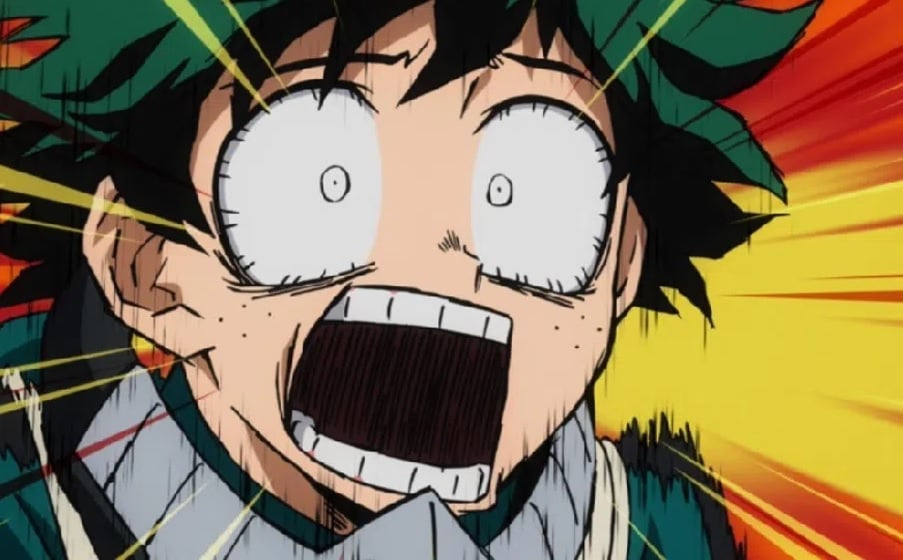
When a popular My Hero Academia English dub voice actor and Twitch streamer admitted to cheating on his long-term girlfriend, fans expected remorse. What they got instead was a defensive, poorly thought-out apology that amplified the backlash and reignited debates about accountability in online celebrity culture.
The incident didn’t just expose a personal betrayal—it revealed how public figures navigate crisis communication in the age of instant virality. For many fans, the damage wasn’t just the infidelity. It was the tone-deaf response that followed.
The Fall of a Fan-Favorite Voice Actor
The voice actor, known for portraying a major character in the English dub of My Hero Academia, built a loyal following across YouTube and Twitch. His dual role as a professional voice performer and a relatable content creator made him accessible—fans didn’t just watch his work; they felt like they knew him.
That connection shattered overnight.
After rumors began circulating on Reddit and X (formerly Twitter), the actor confirmed the cheating allegations in a nearly 15-minute livestream titled “I Need to Be Honest.” But instead of expressing clear accountability, he framed the situation as a “mistake born from loneliness” and “industry pressure.”
He named no names, avoided direct eye contact with the camera, and spent nearly half the stream discussing how the stress of voice acting gigs affected his emotional state.
Fans didn’t buy it.
“It’s not that he messed up,” wrote one viewer in the stream chat, now archived. “It’s that he’s trying to turn this into a sob story without saying sorry to her.”
Why the Apology Failed
The apology’s failure wasn’t just emotional—it was structural. Crisis communication experts emphasize three pillars: acknowledgment, accountability, and amends. This response fell short on all three.
Lack of Direct Acknowledgment He never said, “I cheated on my girlfriend,” outright. Instead, he used soft language: “I wasn’t emotionally available,” “boundaries were crossed,” and “I made poor decisions.” Passive phrasing diluted responsibility.
No Clear Accountability Rather than centering his partner’s pain, he focused on his own struggles—workload, mental health, isolation while traveling for conventions. While valid topics, they became excuses rather than context.
This isn’t uncommon. A 2023 study on public apologies found that 72% of failed celebrity apologies deflect blame onto external factors, reducing perceived sincerity.
Zero Mention of Amends
There was no indication of what he planned to do differently, whether he’d sought counseling, or if he’d even spoken to his girlfriend before going public. Worse, he asked viewers to “respect both our privacy,” despite being the one who aired private details on a livestream.
The Fan Backlash: From Support to Cancellation Calls
Within hours, clips from the stream spread across r/Animedubs, r/Twitch, and TikTok. Edits highlighting his most evasive lines—like “I got caught up in the moment during a dub session afterparty”—were mocked with sarcastic captions.
Some key reactions:

- Fans pointed out that he’d previously posted Instagram content portraying his relationship as “unshakable.”
- Others noted that his character in My Hero Academia champions honesty and integrity—making the hypocrisy sting harder.
- Several voice acting peers remained silent, but a few anonymously told industry insiders they were “disappointed but not surprised.”
Streaming platforms saw a dip in his viewership—down 41% week-over-week—and Patreon donations dropped by nearly 60%. Brands tied to his merch line quietly paused collaborations.
One former collaborator, speaking on condition of anonymity, said: > “You don’t have to be perfect, but when you mess up, own it. He didn’t. He tried to perform remorse instead of feeling it.”
The Bigger Problem: Parasocial Relationships and Public Image
This scandal taps into a deeper issue in streaming and voice acting communities: parasocial relationships.
Fans don’t just admire these performers—they feel emotionally invested in their lives. When a streamer shares daily routines, relationship updates, or mental health struggles, it fosters intimacy. But that intimacy is one-sided.
When betrayal occurs, the emotional fallout extends beyond the actual victim.
In this case, fans felt deceived not because they were in the relationship—but because they’d been shown a curated version of it for years. The apology didn’t just fail the girlfriend; it failed the audience that trusted the image he cultivated.
“I donated over $1,000 to his channel because I thought he was genuine,” one fan commented. “Now I feel like I was funding a character.”
This highlights a growing tension: should entertainers be held to higher moral standards? Or is it unfair to expect personal perfection from public figures?
The answer isn’t black and white. But when personal behavior contradicts professional messaging—especially in a show like My Hero Academia, which emphasizes heroism and ethics—the dissonance becomes hard to ignore.
Damage Control That Made Things Worse
In the days following the livestream, the actor attempted damage control with a series of Twitter (X) threads. But each move backfired:
- He posted a screenshot of a text exchange (with personal details blurred) implying his girlfriend had “emotional issues,” which fans called victim-blaming.
- He shared a photo of himself at therapy, captioned “Working on myself,” which came off as virtue signaling.
- He deleted several replies to critics, including one where he wrote, “You don’t know what she did,” escalating speculation.
Social media analysts noted a classic crisis spiral: each attempt to fix the narrative only widened the wound.
One digital reputation strategist, reviewing the case anonymously, said: > “The fastest way to lose audience trust is to seem manipulative. Once that switch flips, recovery takes years—if it happens at all.”
Lessons for Creators: How to Apologize Without Crumbling
This case isn’t just gossip—it’s a cautionary tale for creators, especially those in voice acting and streaming, where personal branding is everything.
Here’s what a better apology could have looked like:
- State the facts clearly: “I cheated on my girlfriend. That was wrong.”
- Focus on the harmed party: “I betrayed her trust, and I am deeply sorry for the pain I caused her.”
- Avoid excuses: Don’t tie your actions to workload, loneliness, or industry stress—save that for therapy, not public statements.
- Outline change: “I’ve stepped back from streaming to focus on personal growth and am seeking professional help.”
- Respect privacy: Don’t share private messages or imply your partner shares blame.
Transparency without manipulation is key. Fans don’t demand perfection—they demand honesty.

Industry Implications: Can He Keep Working?
The immediate concern isn’t just reputation—it’s employment.
Voice actors in anime dubs are often freelancers. Contracts are renewal-based and heavily influenced by public perception. While talent agencies rarely comment on personal matters, patterns suggest consequences:
- Past cases of misconduct (even off-screen) have led to role recasts, especially when fan pressure mounts.
- Streaming income drops are immediate, but long-term damage affects convention invites, guest spots, and brand deals.
As of now, the actor remains credited in upcoming My Hero Academia episodes. But fan campaigns calling for a recast have gained traction, with over 12,000 signatures on a petition hosted on Change.org.
Industry insiders suggest his future may depend on how quietly he can operate—stepping away from personal content, avoiding interviews, and letting time dull the scandal.
But in the age of digital memory, “quiet” is rarely enough.
Closing: Accountability Can’t Be Streamed
Scandals like this aren’t just about one person’s mistake. They expose how personal ethics, public image, and fan loyalty intersect in unpredictable ways.
For fans, the takeaway is caution: don’t invest emotional trust in curated personas.
For creators, the message is clearer: your off-screen actions will eventually meet your on-screen audience. And when they do, how you respond matters more than the mistake itself.
Owning a failure with humility can rebuild bridges. Deflecting blame burns them.
If there’s a hero’s journey in this story, it hasn’t begun yet. Real growth happens in private—in conversations, in therapy, in the unrecorded moments where no audience is watching.
Until then, the stream is offline. And for many, the character he voiced no longer matches the man behind the mic.
FAQ
Who is the My Hero Academia voice actor involved in the cheating scandal? The actor has not been officially named in major media, but online discussions point to a performer who voices a major supporting character in the English dub. Due to privacy and ongoing sensitivity, direct identification is limited.
Did he lose his role in My Hero Academia? As of the latest release schedule, he remains credited in new episodes. However, fan campaigns calling for a recast are active, and future casting decisions have not been confirmed.
What did his apology livestream include? The 15-minute stream included vague admissions of emotional unavailability, references to industry stress, and no direct apology to his girlfriend. It was widely criticized for being defensive and lacking accountability.
How did fans react to the scandal? Fan reactions were largely negative, with many accusing him of hypocrisy—especially given his character’s moral stance in the series. Viewership, donations, and social engagement dropped significantly.
Has he deleted his apology stream? Yes, the original livestream has been deleted from his channel, but clips and archives remain widely available across Reddit, TikTok, and YouTube.
Are other voice actors commenting on the situation? Most have remained silent publicly. A few anonymous sources in the industry have expressed disappointment, but no major figures have made official statements.
Can a public apology recover reputation after a scandal like this? It’s possible, but only with time, consistent behavior change, and genuine accountability. Performative or defensive apologies often deepen public distrust, making recovery harder.
What mistakes should you avoid? Avoid generic choices, weak validation, and decisions based only on marketing claims.
What is the next best step? Shortlist the most relevant options, validate them quickly, and refine from real-world results.