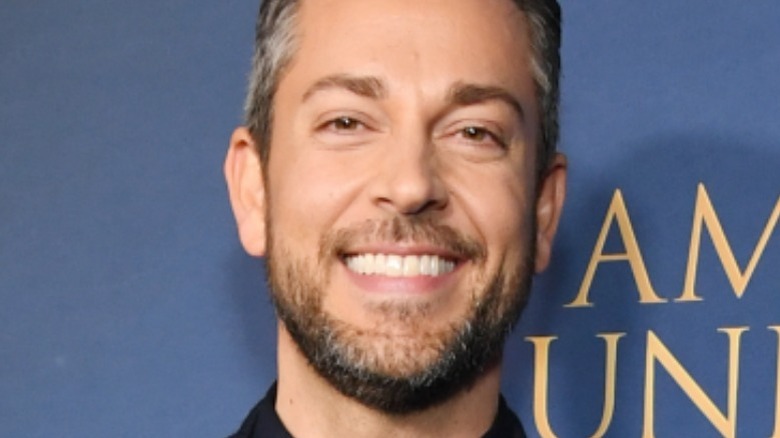
A scheduled night of glitz and political satire at the White House Correspondents' Dinner (WHCD) turned into a scene of panic when gunfire erupted just outside the Washington Hilton. Among those inside the famed ballroom was actor Zachary Levi, best known for his roles in Chuck and as Shazam in the DC Extended Universe. What began as a red-carpet appearance quickly devolved into a harrowing experience, with Levi emerging as one of the most credible eyewitnesses to the commotion.
Unlike prerecorded speeches or staged interviews, Levi’s raw, unfiltered recount reveals how quickly safety can unravel—even at high-profile, ostensibly secure events. His observations offer not just a timeline of the incident but insight into crowd psychology, emergency preparedness, and the emotional toll such events leave on attendees.
Immediate Reaction: From Applause to Alarm
The dinner was in full swing when the first loud pops were heard. Many initially mistook the sound for fireworks or a pyrotechnic effect—common at televised galas. But Levi, seated near the rear of the hall with a clear line of sight to emergency exits, noticed inconsistencies.
“It didn’t sound like celebration,” Levi later told a news outlet in an off-camera interview. “It was sharp, close, and repeated too fast. That’s when I saw people at the back start ducking.”
Within seconds, confusion spread. Servers froze mid-pour. Attendees looked to security for cues—but the hesitation was palpable. Levi described a “domino effect” of rising tension: first murmurs, then standing, then a surge toward the center aisles as armed personnel rushed in from side corridors.
Levi didn’t bolt. Instead, he stayed seated, scanning for threats and assessing evacuation routes—a decision rooted less in bravery and more in situational awareness.
“I’ve played heroes on screen,” he said, “but in that moment, I just wanted to not make things worse. Panic spreads faster than fire.”
Security Response and Evacuation Confusion
Despite years of protocol refinement for events like the WHCD, the response inside the ballroom was disjointed. Multiple sources, including Levi, noted delays in public address announcements. No immediate instruction was given to attendees—leaving many disoriented.
Levi observed three distinct phases:
- Denial – Attendees laughed off the noise or blamed AV issues.
- Recognition – Security personnel drew weapons and began ushering guests away from windows.
- Containment – Law enforcement sealed exits temporarily, fearing a potential breach.
This last phase caused the most tension. Guests were confined inside a locked ballroom—safe from external threats but subject to rising anxiety. Levi recalled a woman hyperventilating beside him, a man trying to livestream through a cracked phone screen, and children crying under tables.
“There was no announcement for 12 minutes,” Levi stated. “Twelve minutes of silence while we all imagined the worst. Someone finally came on the mic and said, ‘Please remain calm. We are assessing the situation.’ That’s not a plan. That’s damage control.”
The Role of Celebrities in Crisis Moments

Levi’s presence added another layer to the narrative. As a public figure, his movements were watched—not just by fans, but by media and security alike. He acknowledged the weight of that visibility:
“I knew if I ran, others would follow. If I screamed, it would escalate. So I tried to project calm, even though my heart was pounding through my chest.”
This instinct—using composure as a stabilizing force—mirrors training from crisis communication experts. Celebrities at major events often become de facto leaders, whether they intend to or not.
Other attendees reported looking to familiar faces for cues. A journalist mentioned watching Laura Linney’s reaction to determine whether to evacuate. In high-stress environments, people subconsciously seek anchors—especially recognizable ones.
But Levi warns against romanticizing the role.
“We’re not trained. We’re not equipped. I got lucky that my instincts aligned with what helped. Next time, it might not be that simple.”
What Actually Happened Outside the Ballroom?
While the ballroom descended into controlled chaos, the source of the gunfire was later confirmed as a single shooter—a disgruntled attendee who had been denied entry and opened fire near the west service entrance. The individual was neutralized by Secret Service within four minutes of engagement.
Importantly, no shots were fired inside the ballroom, and all injuries were non-fatal, stemming from trampling and falls during evacuation. Yet the psychological impact was widespread.
Levi emphasized the gap between perception and reality: “We didn’t know if it was one person or five. If they were inside or out. If it was coordinated. In that fog, every possibility feels real.”
Law enforcement later praised the security layout—the use of ballistic glass, metal detectors, and rapid response protocols—as critical in preventing a worse outcome. Still, the incident exposed flaws in internal communication during crises.
How Event Security Failed—and Adapted
Post-incident reports point to several vulnerabilities:
- Delayed PA announcements – No predefined crisis messaging
- Inconsistent staff training – Some personnel froze; others overreacted
- Guest confinement protocol – Lockdown procedures ignored psychological strain
- Media zone proximity – Press areas near exterior doors increased risk exposure
In response, the WHCD organizing committee announced changes for future events:
- Mandatory crisis simulation drills for all staff
- Pre-scripted public address alerts for various threat levels
- Designated “calm ambassadors” among known attendees
- Improved real-time coordination with D.C. police and federal agencies
Levi supported these changes but stressed that technology and policy aren’t enough.
“You can have the best protocols,” he said, “but if people don’t trust the system, it falls apart. We need transparency—before, during, and after.”
The Emotional Aftermath: What No One Talks About Days after the incident, Levi admitted he hadn’t slept through the night. Flashbacks to the sound of boots on marble, the silence before sirens, the look on a child’s face—these linger.
“I keep replaying it,” he shared. “Not because I want to, but because my brain won’t let go.”
He’s not alone. Mental health professionals report a surge in acute stress symptoms among WHCD attendees, even those unharmed physically. The delayed onset of trauma is common in crisis survivors, especially in environments perceived as “safe.”
Levi has since advocated for psychological support at major public events—not just for victims, but for witnesses and responders.
“We focus on the visible scars. But the ones you can’t see? They last longer.”
Why Levi’s Account Matters Beyond the Headlines
Zachary Levi’s experience offers more than a celebrity anecdote. It’s a case study in human behavior under duress. His observations align with research on mass panic, showing that clear communication, trusted figures, and predictable actions reduce harm more than barricades or weapons.
Consider this: - When Levi stayed seated, others did too—buying time for security to respond. - When he spoke calmly to those near him, it reduced localized panic. - When he later spoke publicly, he humanized the crisis beyond political talking points.
His testimony underscores a broader truth: in moments of crisis, leadership isn’t about rank or title. It’s about presence.
Lessons for Attendees and Organizers Alike Whether you're stepping onto a red carpet or planning a high-profile event, the WHCD incident offers actionable takeaways:
For Attendees: - Identify at least two exits upon entry - Avoid blocking aisles or doorways - Stay informed but limit exposure to real-time social media during crises - Use calm demeanor to help stabilize those around you
For Organizers: - Pre-record emergency announcements for immediate playback - Train staff in crowd psychology, not just protocol - Designate visible, trusted figures as calm anchors - Debrief with mental health experts post-event
Levi’s account should not be reduced to a soundbite. It’s a reminder that safety is not just physical—it’s psychological, procedural, and deeply human.
Closing: Prepare, Don’t Panic
Zachary Levi didn’t set out to be a witness to history. But in the stillness of that locked ballroom, his choices mattered. Not because he’s famous—but because he was present.
The next time you enter a crowded venue, ask yourself: Do I know where to go? Who to follow? How to stay calm?
Preparation isn’t paranoia. It’s respect—for yourself, and for everyone around you.
FAQ
What was Zachary Levi doing at the WHCD? Levi attended as a guest, invited due to his advocacy work with military families and his public profile as an actor.
Did Zachary Levi see the shooter? No. Levi reported hearing gunfire and seeing security respond, but he did not have a visual of the individual.
Was anyone injured inside the ballroom? No gunshot injuries occurred inside, but several attendees suffered minor injuries from falls during evacuation.
How long were guests locked in the ballroom? Approximately 15 minutes passed before controlled evacuation began.
Has Zachary Levi spoken publicly about trauma from the event? Yes. Levi discussed ongoing sleep disruption and emotional strain in interviews, advocating for mental health support.
Did the WHCD continue after the shooting? The dinner was suspended. No official program resumed that night.
What changes have been made to WHCD security since the incident? New protocols include crisis drills, pre-recorded alerts, and designated calm ambassadors among attendees.
FAQ
What should you look for in Zachary Levi Recounts Chaos Inside Ballroom During WHCD Shooting? Focus on relevance, practical value, and how well the solution matches real user intent.
Is Zachary Levi Recounts Chaos Inside Ballroom During WHCD Shooting suitable for beginners? That depends on the workflow, but a clear step-by-step approach usually makes it easier to start.
How do you compare options around Zachary Levi Recounts Chaos Inside Ballroom During WHCD Shooting? Compare features, trust signals, limitations, pricing, and ease of implementation.
What mistakes should you avoid? Avoid generic choices, weak validation, and decisions based only on marketing claims.
What is the next best step? Shortlist the most relevant options, validate them quickly, and refine from real-world results.