The gala atmosphere at the White House Correspondents’ Dinner (WHCD) shattered in seconds. One moment, celebrities, journalists, and politicians mingled under glittering chandeliers—Zachary Levi, in a sharp tuxedo, exchanging smiles and quips. The next: shouts, scuffling, and a wave of bodies surging toward exits. Levi, known for charm and wit on screen, found himself in the middle of a real-life crisis no script could predict.
As details emerged about a security breach and apparent altercation that triggered mass confusion, Levi became one of the few public figures to speak candidly about what unfolded inside the ballroom. His account—equal parts harrowing and grounded—offers a rare window into how quickly decorum can collapse when danger feels imminent.
The Night That Turned From Glamour to Fear
The WHCD is typically a night of satire, star power, and carefully curated optics. Held annually, it brings together Hollywood and Washington in a blend of political humor and media pomp. That year, expectations leaned toward levity—until an incident at the perimeter of the venue sparked internal alarms.
Reports later confirmed no actual gunfire occurred. Instead, what transpired was a violent altercation outside the main hall, escalating to the point where security personnel reacted as if shots had been fired. In the ballroom, the reaction was instantaneous.
Levi, seated at a prime table near the stage, described the moment like a scene from one of his action films—but with no safety net.
“It started with a single shout from near the back,” he recalled in a post-event interview. “Then someone yelled ‘Get down!’ and before I knew it, tables were tipping, people were diving under chairs. It wasn’t orderly. It wasn’t cinematic. It was pure instinct.”
Inside the Ballroom: A Firsthand Breakdown
What makes Levi’s testimony valuable isn’t just his celebrity status—it’s his clarity under pressure. While others described blurred chaos, he reconstructed the sequence with precision.
The Sound That Changed Everything
“It wasn’t a bang,” Levi corrected in a follow-up statement. “I’ve shot enough stunt scenes to know what gunfire sounds like up close. This was shouting, then a crash—like a body hitting a barricade. But in that environment, with the tension already high? It read as gunfire to a lot of people.”
Security response amplified the panic. Officers rushed into the ballroom with weapons drawn, shouting commands. Attendees, including high-profile journalists and government officials, scrambled for cover. Some crawled beneath tables. Others pushed toward emergency exits, creating bottlenecks.
Levi stayed low but alert. “I remember thinking: Do not become part of the problem.” Instead of bolting, he helped guide people toward safer corners and urged others to stay calm.
Celebrities in Crisis Mode

Levi wasn’t alone in trying to maintain order. He noted fellow actors and comedians instinctively shielding others or using their bodies to block stampedes.
“Kristen Bell was behind me—she was telling people to breathe, to listen to security. Hasan Minhaj dropped his mic and started directing people to crouch along the wall. It was surreal. One minute he’s roasting the administration, the next he’s doing crisis triage.”
The contrast between the evening’s intended tone and the sudden danger highlighted how unprepared even elite events are for real-world threats. No evacuation plan was announced over the PA. Staff appeared as confused as guests.
Security Failures That Amplified the Panic
While no bullets were fired, the incident raised urgent questions about security protocols at high-profile political gatherings.
Levi pointed to a critical flaw: “There was no communication. No voice telling us what was happening. When you’re in a room full of influential people and nobody’s in charge, panic wins.”
Key Breakdowns Noted by Levi and Witnesses
- Delayed Information Flow: Over five minutes passed before any official announcement.
- Inconsistent Officer Behavior: Some guards ushered people out calmly; others shouted conflicting instructions.
- No Clear Exit Strategy: Multiple guests reported being directed into narrow corridors already packed with people.
- Lack of Training for Civilian Crowd Control: Many security personnel were trained for perimeter defense, not internal crowd de-escalation.
Levi emphasized that better signage, pre-event briefings, and designated evacuation zones could have prevented the worst of the stampede.
“We rehearse fire drills in schools. Why not at events where senators, journalists, and actors are in one room?”
The Psychological Toll of a Near-Miss
Even without physical injuries, the emotional impact lingered.
In a podcast appearance weeks later, Levi admitted he struggled with sleep. “I kept replaying it—what if it had been gunfire? What if someone got trampled? I felt helpless, and that doesn’t sit well with me.”
He’s not alone. Mental health professionals have noted a rise in anxiety among WHCD attendees, particularly those who experienced past trauma. The brain doesn’t always distinguish between real and perceived threat when adrenaline floods the system.
Levi now advocates for psychological support at major events. “We debrief after military missions. We should do the same after incidents like this—even if no one’s hurt.”
Why Levi’s Account Matters Beyond the Headlines
Celebrity testimonies are often dismissed as sensational. But Levi’s perspective carries weight for several reasons:
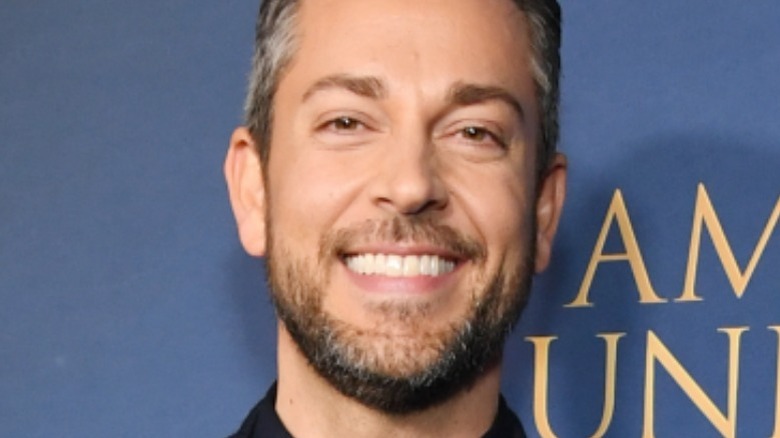
- Calm Under Pressure: His ability to observe and recall details amid chaos adds credibility.
- Public Trust: As a well-liked actor with no political axe to grind, his narrative avoids partisan framing.
- Push for Reform: He’s used his platform to call for standardized safety protocols at high-risk gatherings.
His behind-the-scenes push includes talks with event security consultants and offers to participate in emergency preparedness panels.
“It’s not about me,” he said. “It’s about making sure the next time something like this happens, people don’t have to rely on luck and instinct.”
Separating Myth from Reality: What Really Happened?
In the days following the incident, misinformation spread rapidly. Claims of “multiple shooters” and “crossfire” circulated online—despite no evidence.
Levi pushed back. “I was there. I saw everything. There was no shooting. But does that make it less traumatic? No.”
The actual trigger: a heated confrontation between a guest and an uninvited individual at the outer security checkpoint. The altercation involved shoving and a fall into catering equipment—creating loud, metallic crashes mistaken for gunfire.
Still, the perception of danger was real. And in crowd psychology, perception drives behavior.
The Path Forward: Safer Events Start With Honesty
Levi’s takeaway is clear: acknowledge vulnerabilities.
He supports implementing: - Real-time public address alerts during emergencies - Visible evacuation routes and floor marshals - Pre-event safety briefings (even brief ones) - Post-incident mental health check-ins for attendees
“We don’t need militarized galas,” he said. “We just need basic preparedness.”
Venue operators and event planners have taken note. The WHCD organizing committee has since announced updates to its emergency response framework, including simulated drills and improved coordination with local law enforcement.
Conclusion: A Wake-Up Call Wrapped in a Tuxedo
Zachary Levi didn’t attend the WHCD to become a witness to crisis. But his composure, honesty, and advocacy turned a night of fear into a catalyst for change.
His account reminds us that safety isn’t just about armed guards or metal detectors—it’s about communication, clarity, and human response. In an age where public gatherings are increasingly targeted—physically or psychologically—his voice adds urgency to a conversation we can’t afford to delay.
For event planners, attendees, and public figures: listen to the firsthand experience. Prepare not for how events should go, but for how they might go wrong.
Actionable takeaway: If you’re organizing or attending a high-profile event, insist on a clear emergency protocol. Ask: Where are the exits? Who’s in charge? How will we be informed? Don’t assume decorum equals safety.
FAQ
Did Zachary Levi see the actual altercation? No—he saw the aftermath and the security response from inside the ballroom. He did not witness the initial confrontation, which occurred outside the main hall.
Was anyone injured during the commotion? Yes—several attendees suffered minor injuries from falls or crowd pressure, but no gunshot wounds. The primary harm was psychological.
Did security confirm there were no shots fired? Yes. Law enforcement and the WHCD committee confirmed no firearms were discharged on or near the premises.
How did Zachary Levi help during the panic? He stayed calm, directed people away from bottlenecks, and encouraged others to follow security directives instead of reacting impulsively.
Has the WHCD changed its security since the incident? Yes. Updated protocols now include real-time emergency announcements, designated floor marshals, and coordination drills with D.C. police.
Why do people still believe shots were fired? Auditory confusion, amplified by panic and media speculation. Loud crashes and shouting in enclosed spaces can mimic gunfire.
Is Zachary Levi involved in event safety advocacy now? Yes. He’s consulted with security experts and spoken publicly about the need for better preparation at large-scale gatherings.
FAQ
What should you look for in Zachary Levi Reveals Chaos Inside Ballroom During WHCD Shooting? Focus on relevance, practical value, and how well the solution matches real user intent.
Is Zachary Levi Reveals Chaos Inside Ballroom During WHCD Shooting suitable for beginners? That depends on the workflow, but a clear step-by-step approach usually makes it easier to start.
How do you compare options around Zachary Levi Reveals Chaos Inside Ballroom During WHCD Shooting? Compare features, trust signals, limitations, pricing, and ease of implementation.
What mistakes should you avoid? Avoid generic choices, weak validation, and decisions based only on marketing claims.
What is the next best step? Shortlist the most relevant options, validate them quickly, and refine from real-world results.